
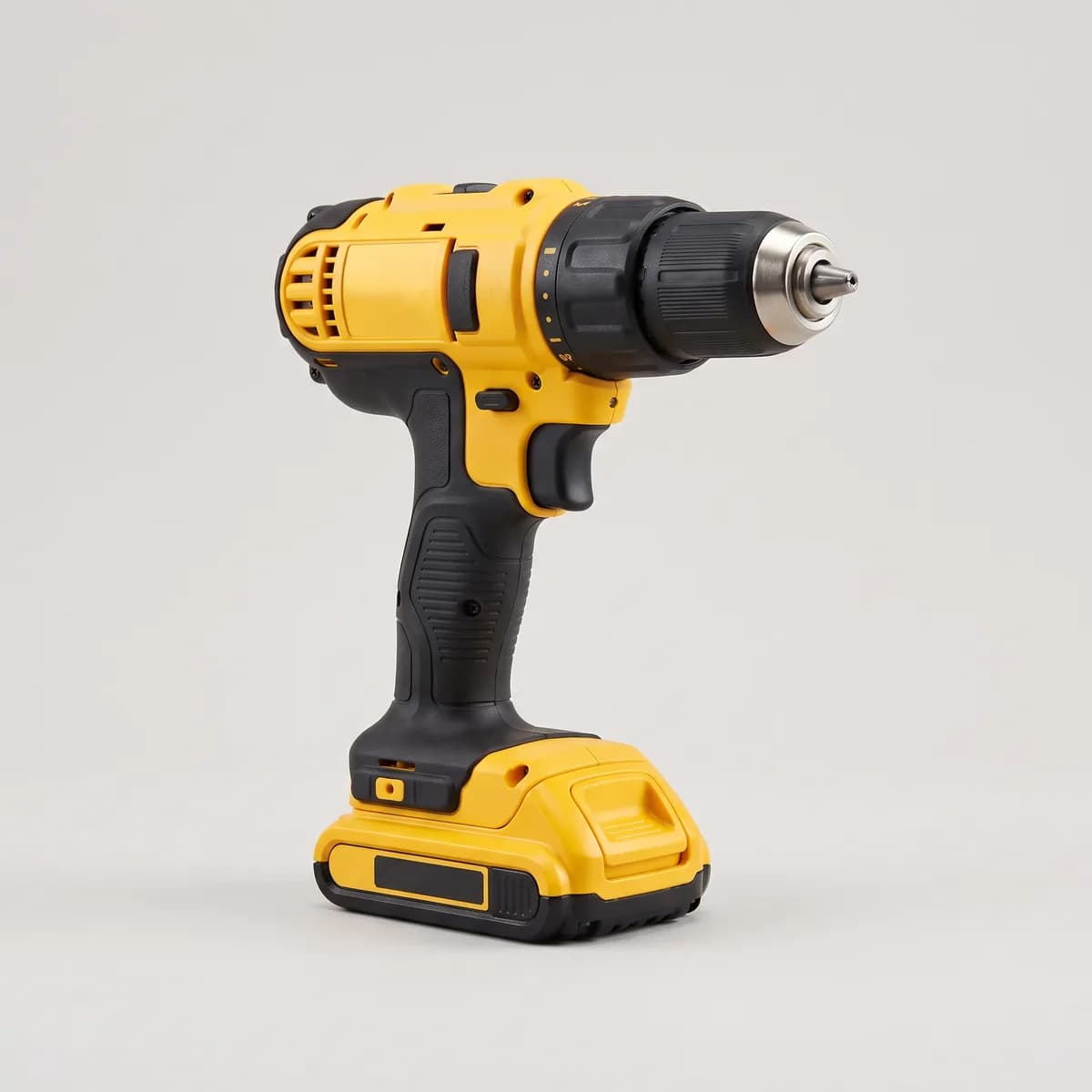
Cordless drill driver, brushless
13 mm chuck, three speed, 5.0 Ah battery and case
$349.00kitIn stock
Spec search, contract pricing, and freight and tax that hold up on an industrial order. Built for the counter rather than adapted from a shoe shop, AI-native throughout, and shaped around your processes instead of asking you to change them.
145 lines across 24 categories in the demonstration cataloguePairs with our CRM for the same industry
Quote 4417
Quote, not a saleSent for confirmation. No payment taken, no card asked for.
Working prototype. Invented lines, real arithmetic. The storefront this comes from is software you can open.
Every distributor in this trade runs differently, and the ones who last have processes worth keeping. Off-the-shelf products ask you to give those up. We map what you already do and build to it, AI-first from the data model up.
We map how the business runs first, on site, including the parts nobody has written down. The workflow you already have is the workflow the software follows. Off-the-shelf products make you change to suit them, and the change is where the cost hides.
Built AI-first from the data model up, so the intelligence sits inside the work rather than in a box bolted to the side of it. That is a different thing from a conventional system with an assistant added late, and it shows in what the software can do with what it knows.
Your product lines, your customer types, your stages, called what your people already call them. A system that renames everything gets worked around within a month, and the workaround becomes the real process.
Safety and PPE through to fasteners, consumables and pipe. A buyer should meet their own catalogue on the first screen, with a price and a stock state on every line, because the alternative is a contact form and a competitor who published theirs.

Safety and PPE
Head to foot, respiratory, hand and arm
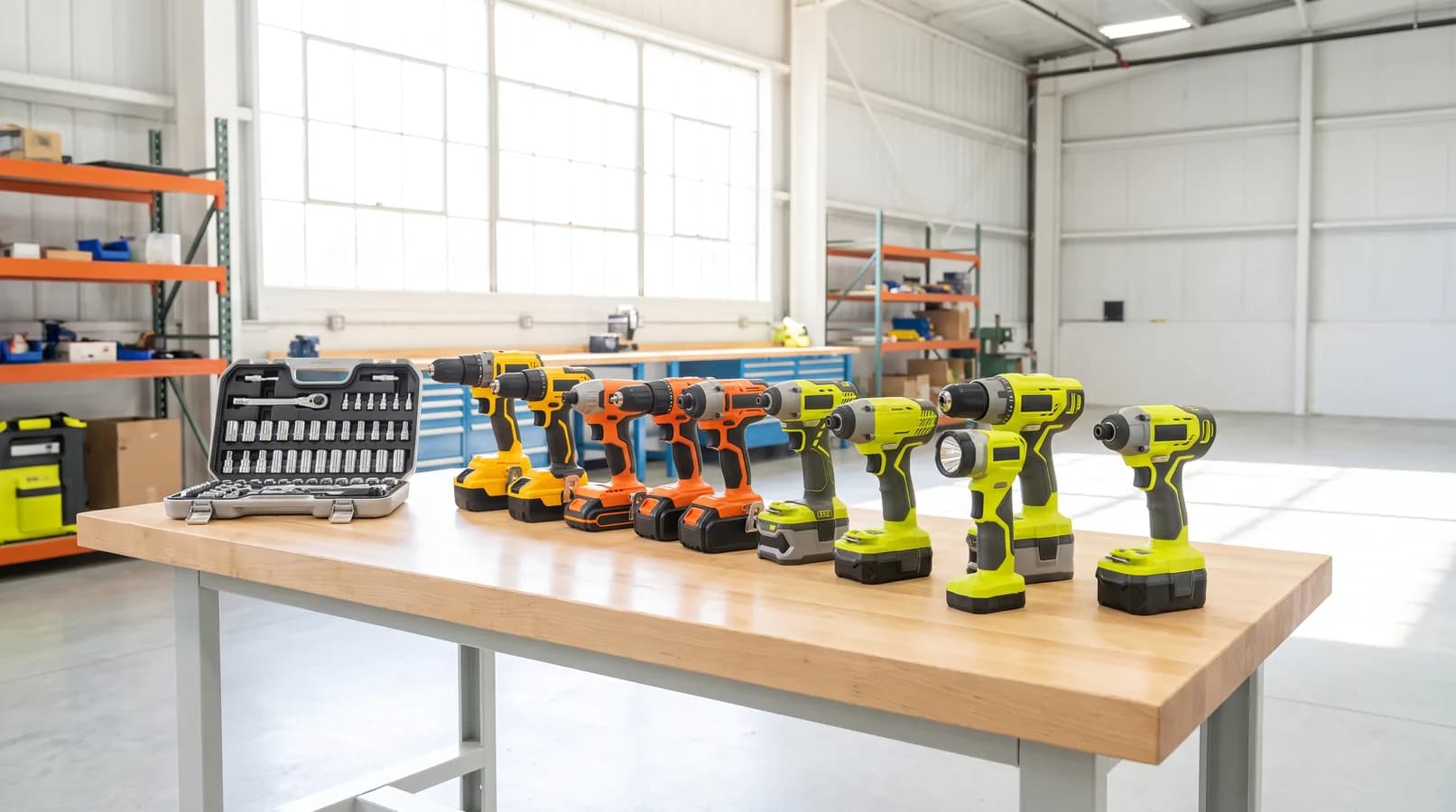
Tools and equipment
Cordless, sockets, torque, grinders
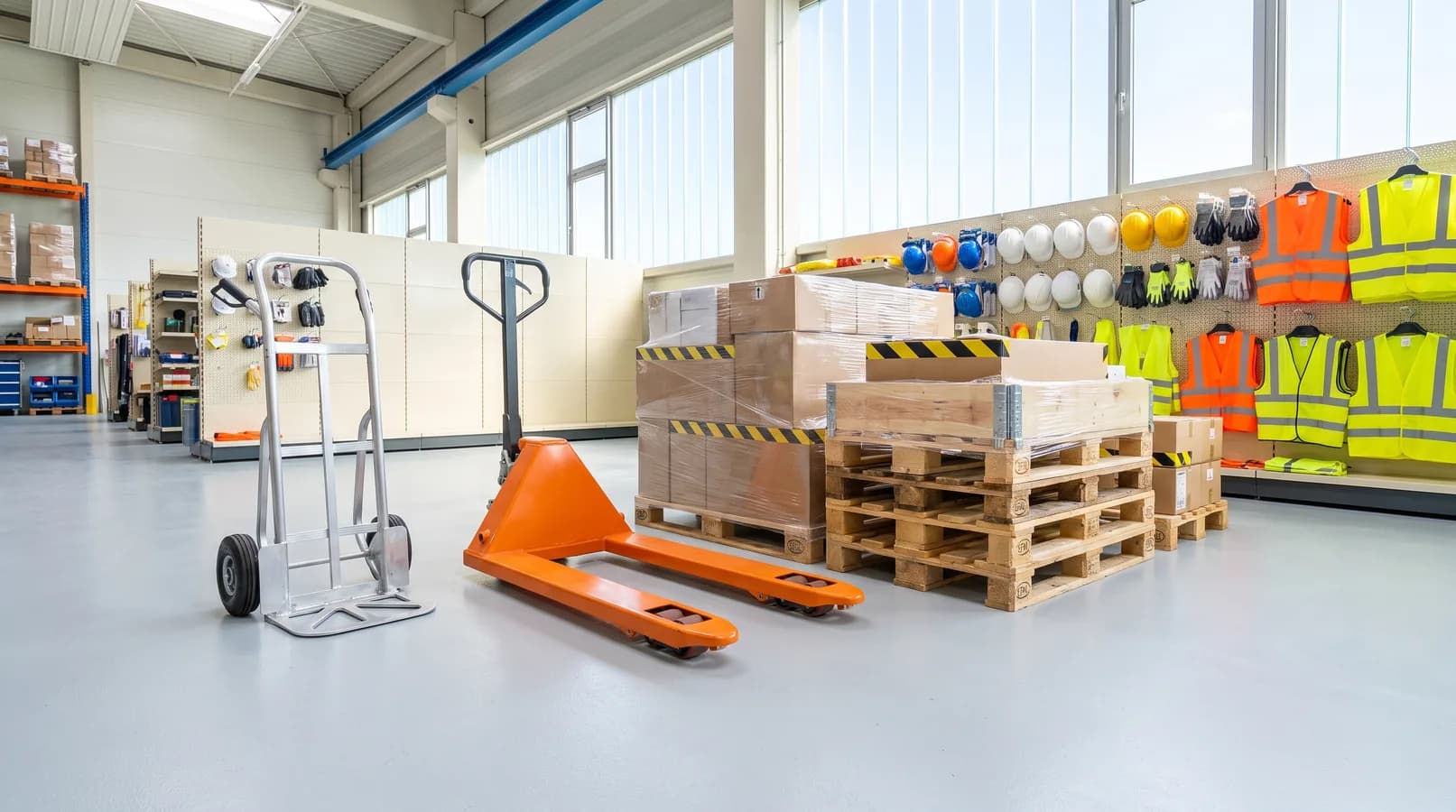
Material handling
Pallet trucks, slings, hoists, casters
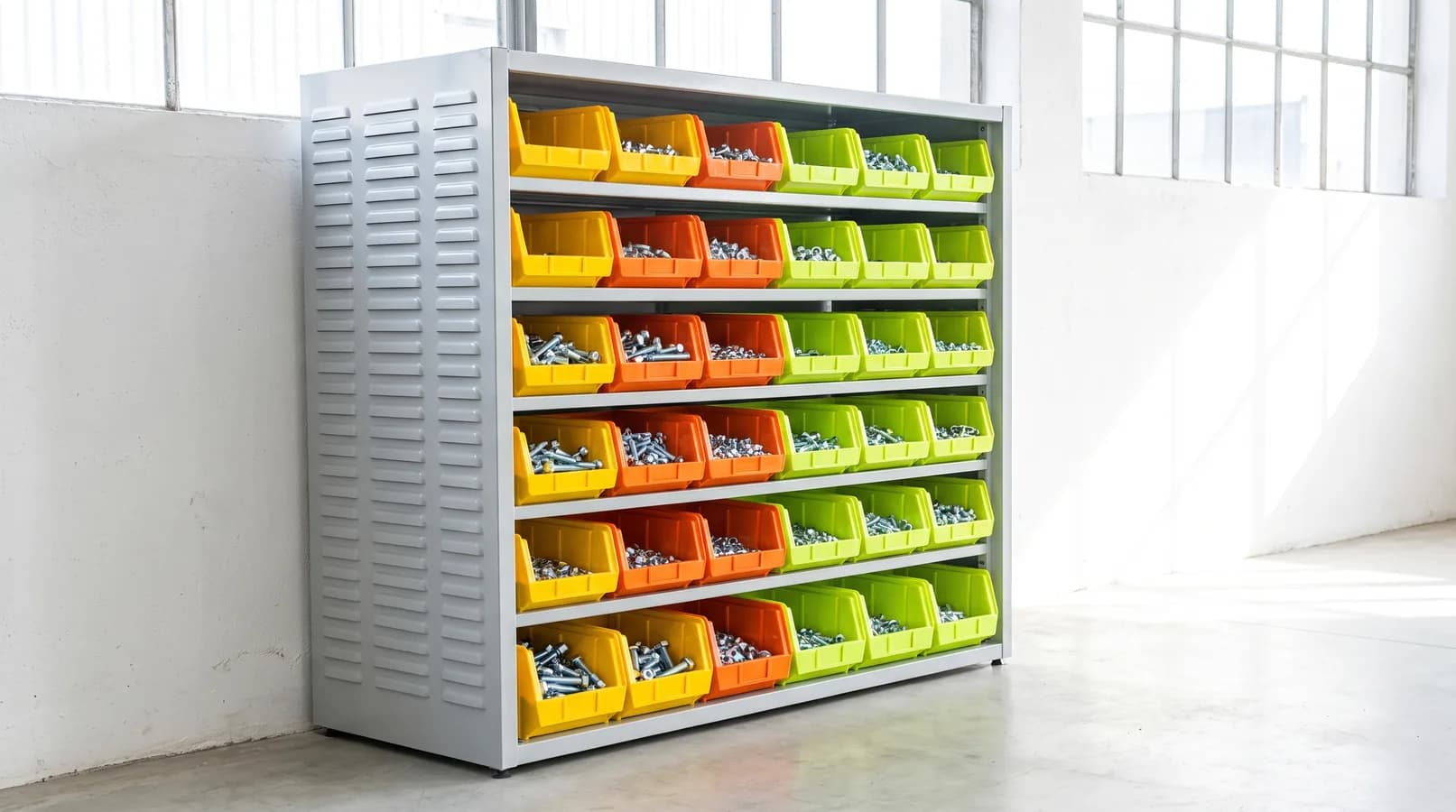
Fasteners and hardware
Bolts, anchors, rod, clamps
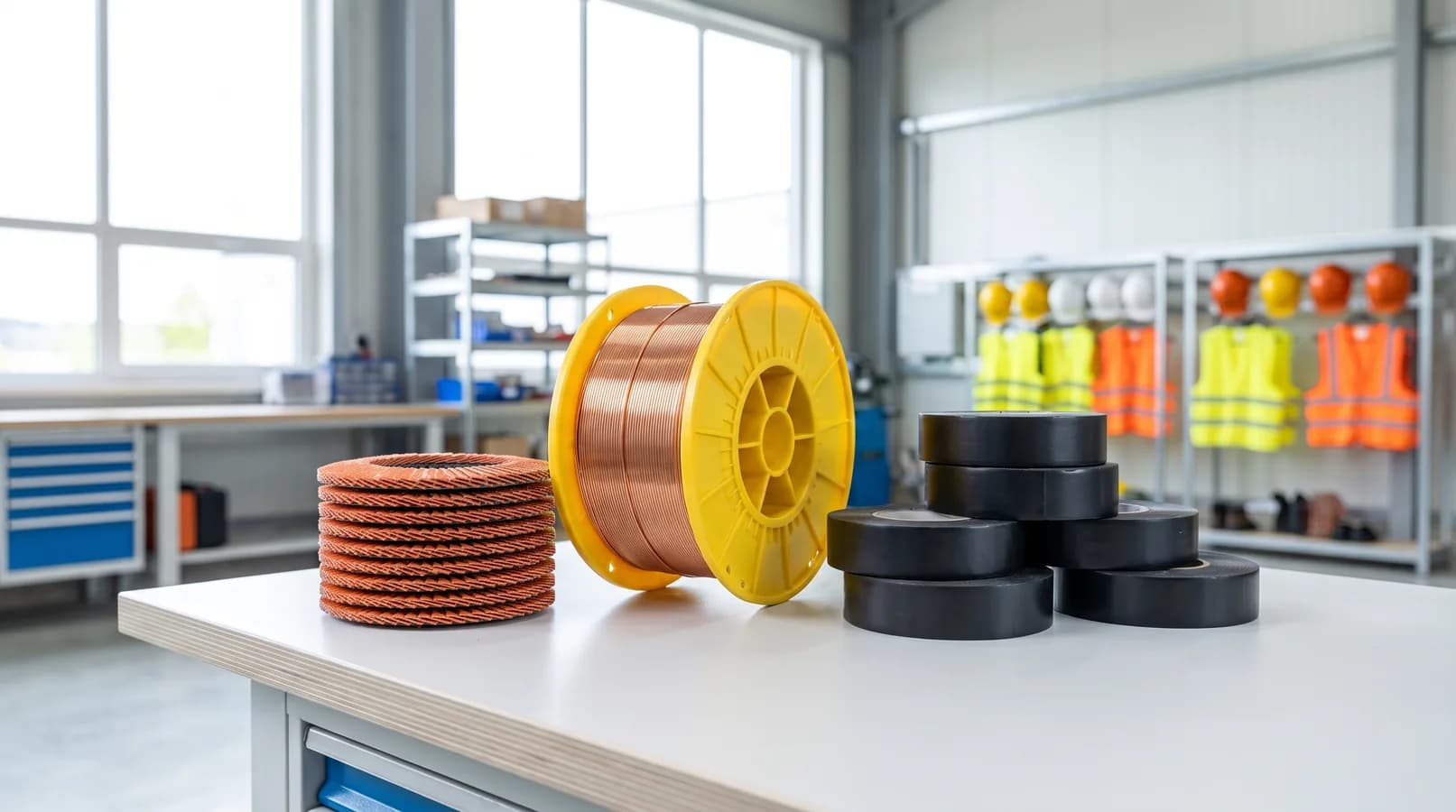
Industrial consumables
Abrasives, welding, lubricants, tape
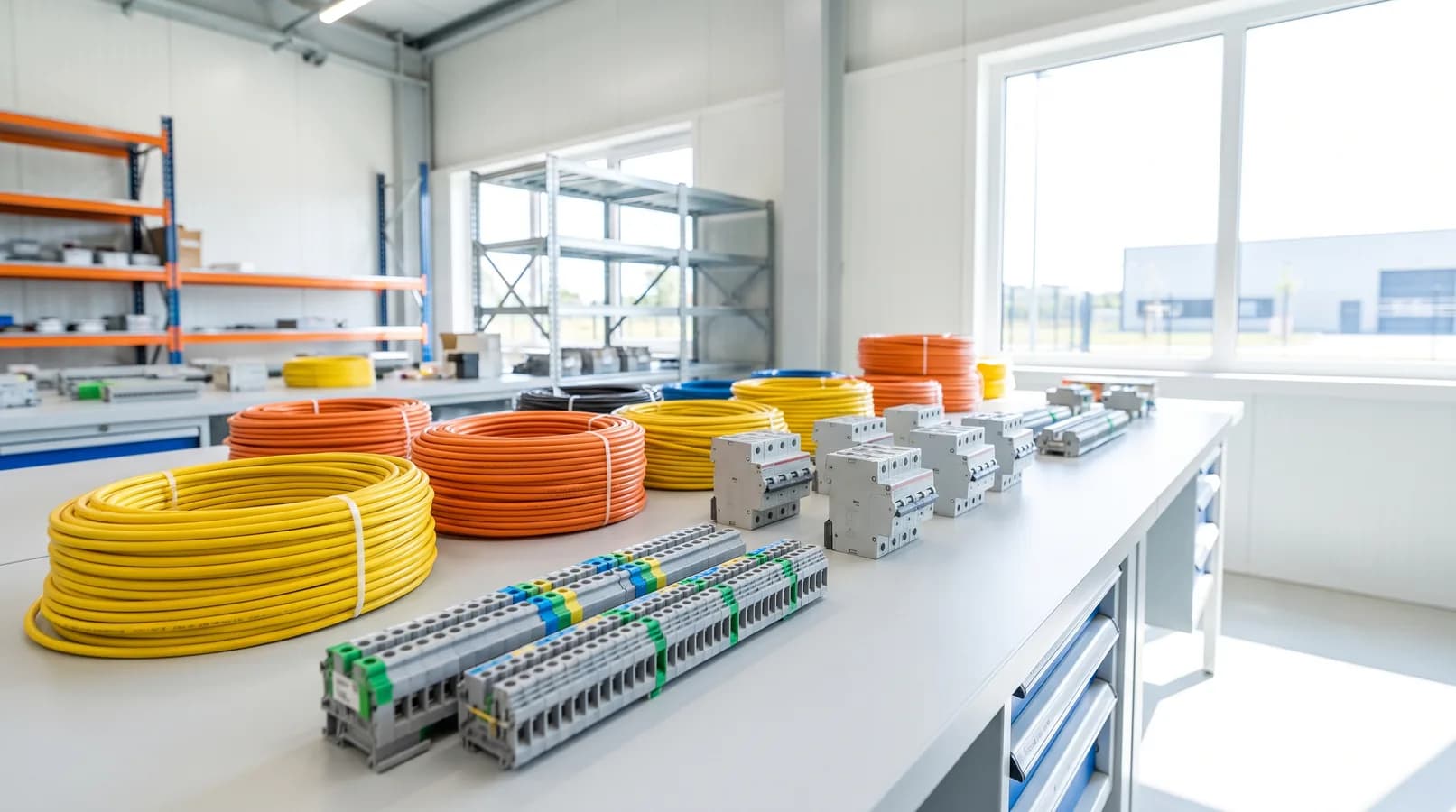
Electrical
Wire, connectors, breakers, terminals
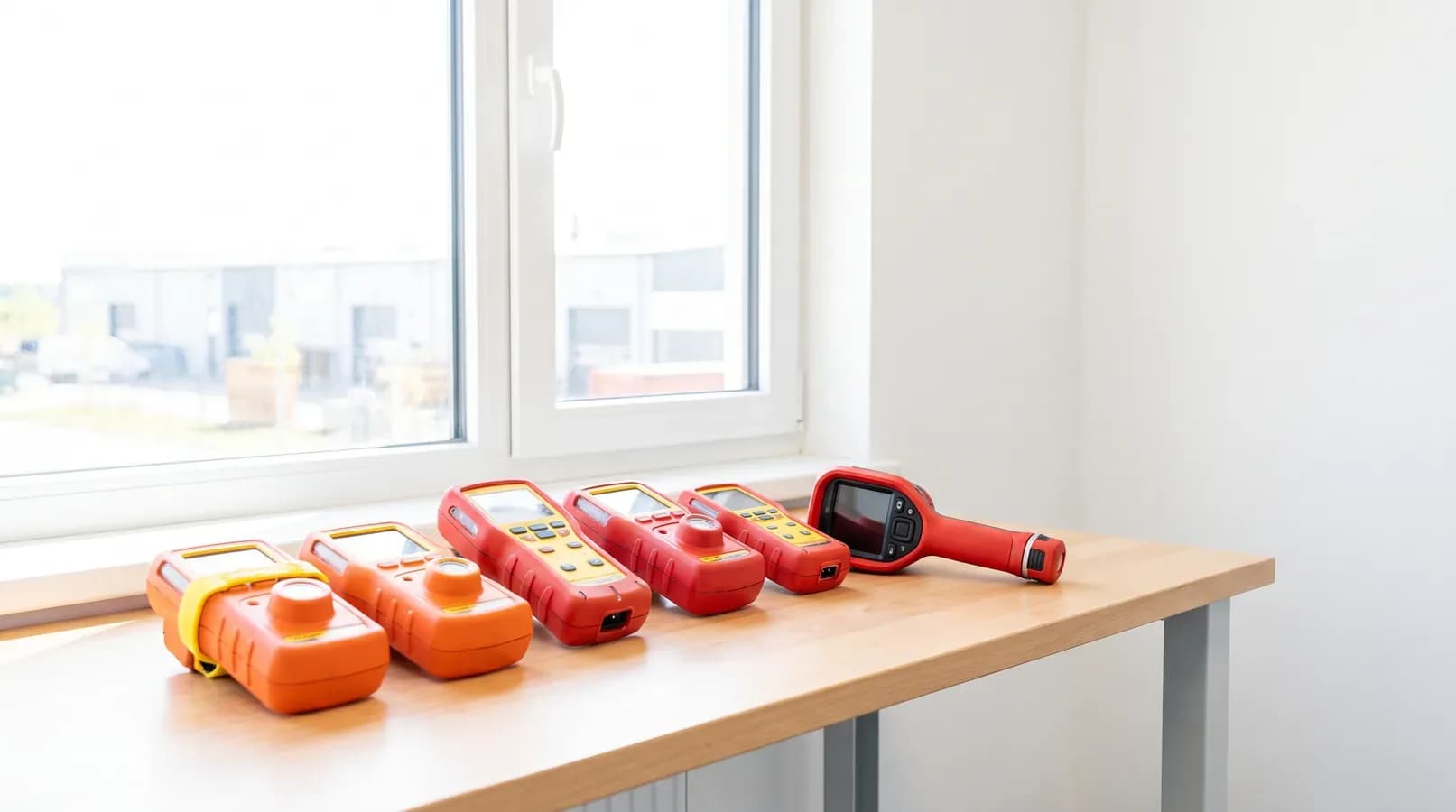
Detection and instruments
Gas detection, thermal, test gear

Plumbing and pipe
Valves, fittings, tubing, sealants
13 mm chuck, three speed, 5.0 Ah battery and case

Deep cup, twin headband wires, dielectric
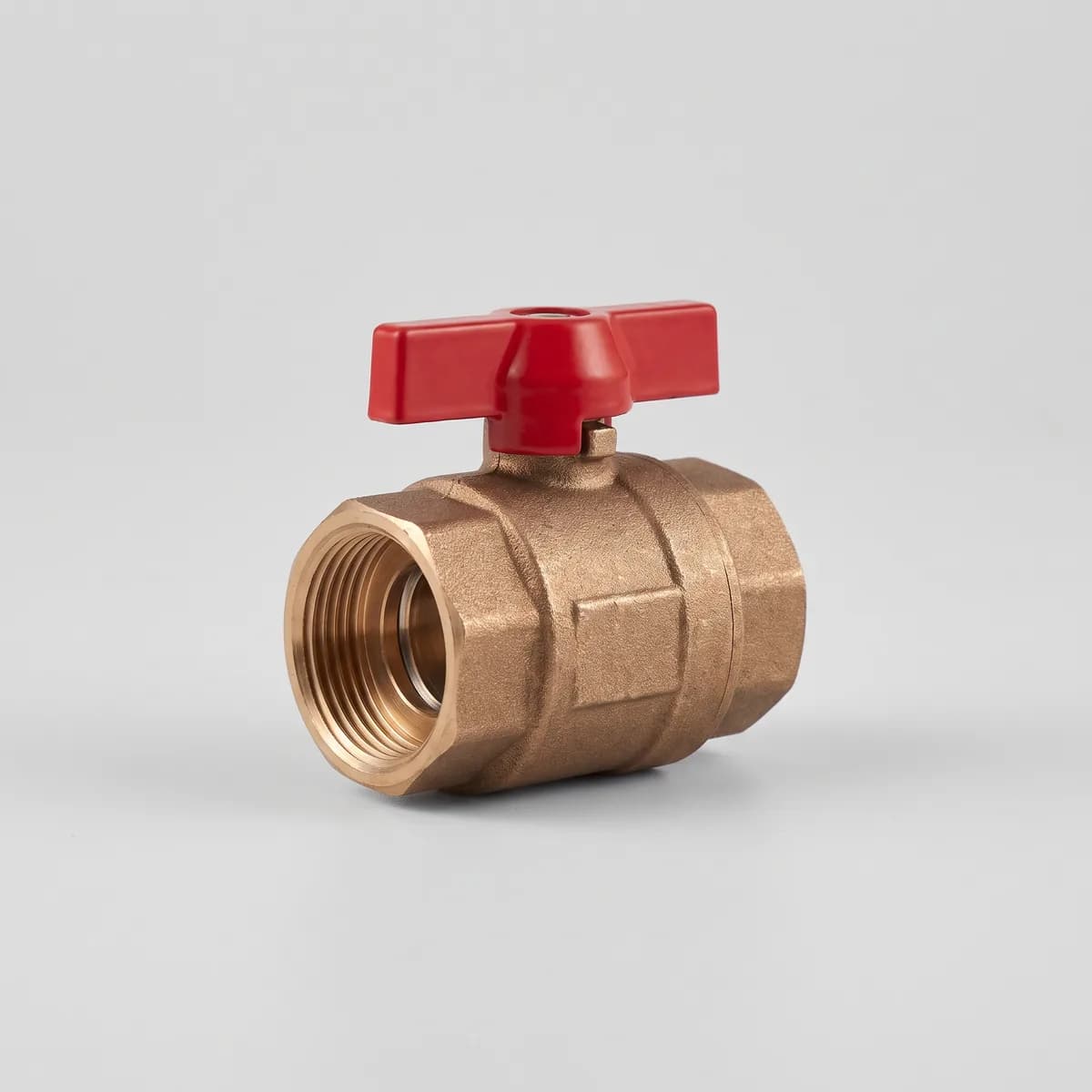
1 inch NPT, 600 WOG, blowout-proof stem
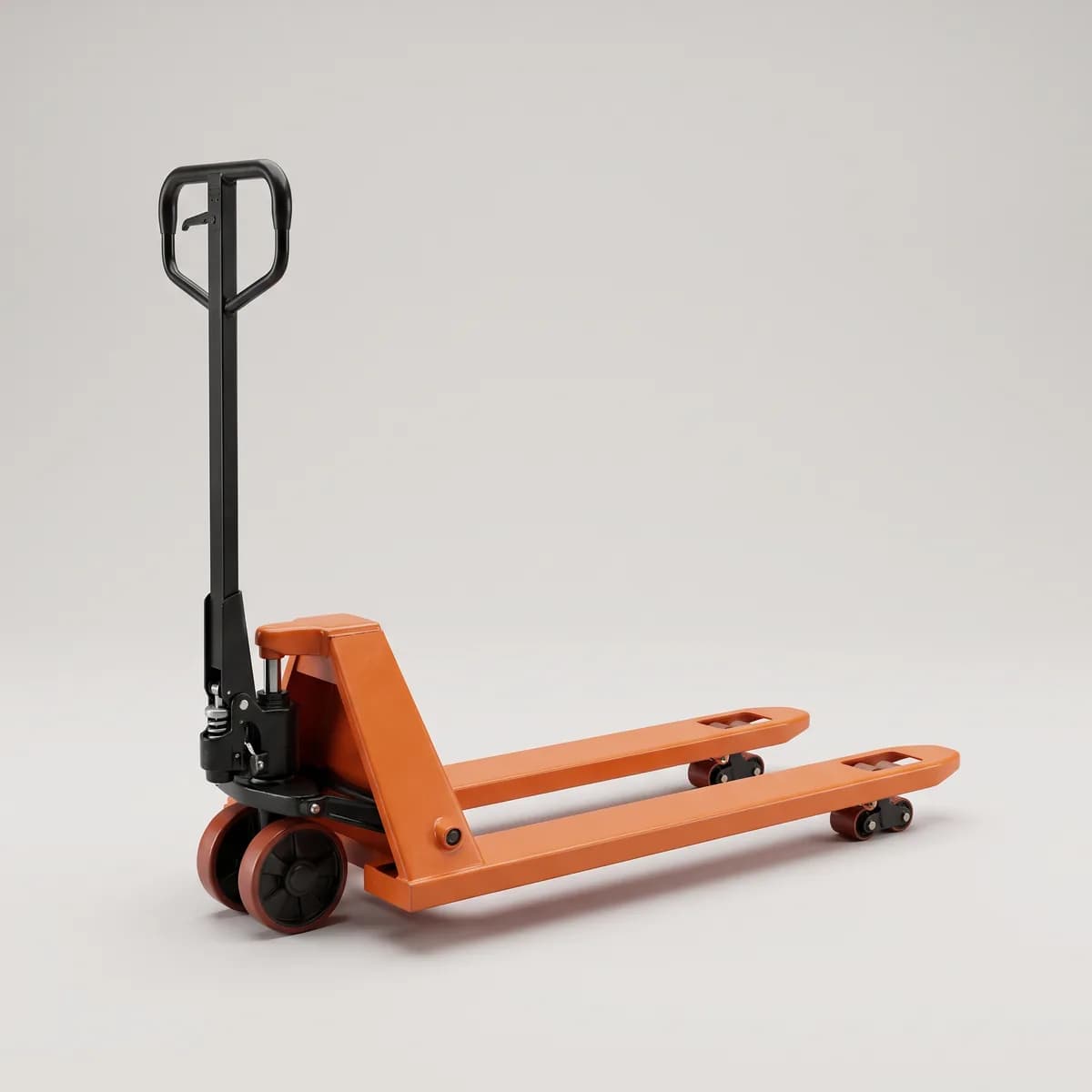
2,500 kg, 1,220 mm forks, tandem load rollers

Four point chin strap, ratchet suspension
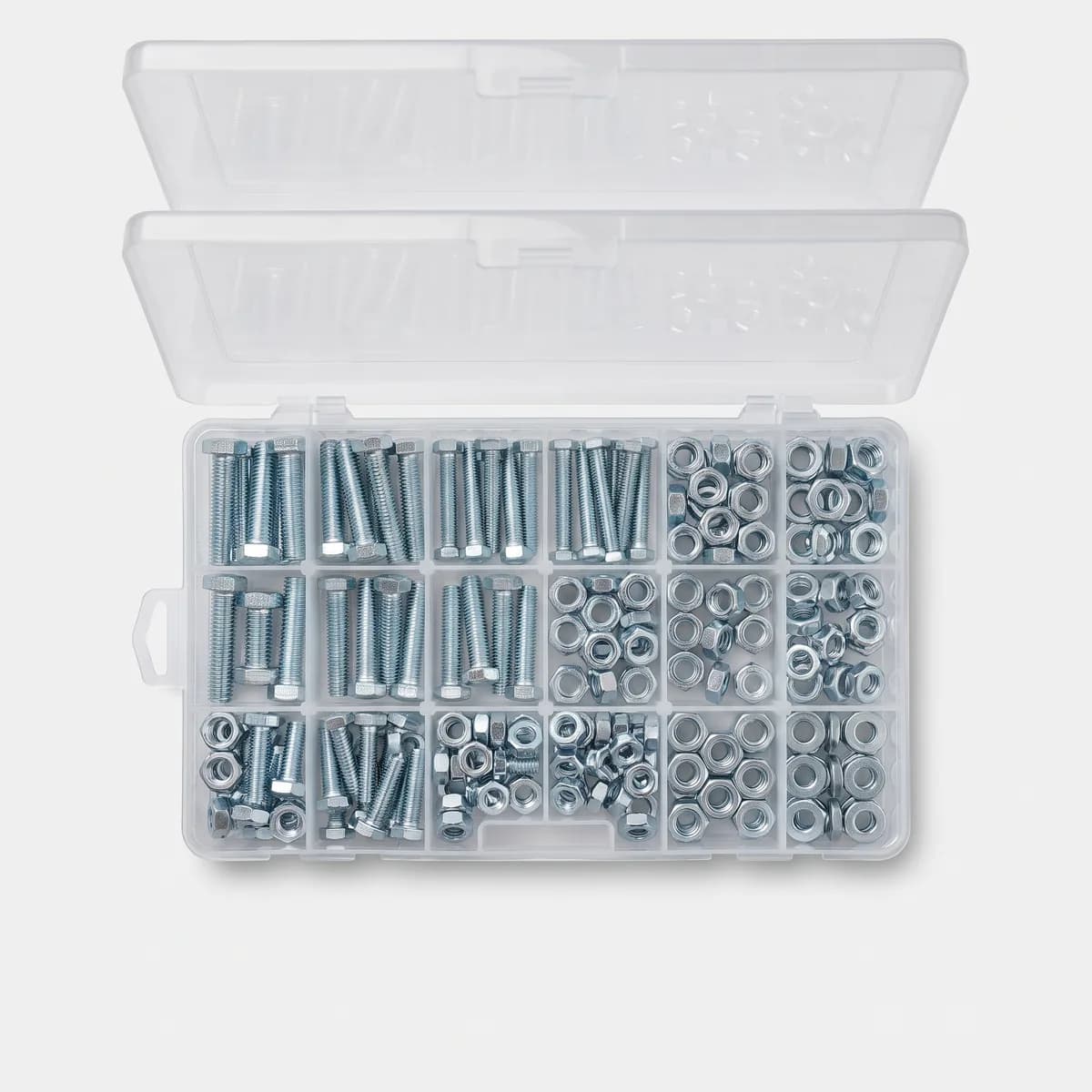
350 piece, zinc plated, 1/4 to 1/2 inch with nuts and washers
These are the problems distributors describe in their own words. Each one carries where it stands with us, because a buyer in this trade has been sold vapour before and checks.

They cannot find the part
Buyers search by thread, grade, class and size, not by the product names your catalogue happens to use. Get this wrong and your busiest support ticket is somebody asking whether you stock a part that has been on the shelf all along.

You are not on their approved list
Large customers buy through a procurement system. If your catalogue cannot be punched into from theirs, you are not a supplier they can raise a requisition against, however good your pricing is.
List price is the wrong price
Every account has negotiated terms. Publishing list alone tells your best customer the website is not for them, and hiding all pricing tells everyone else to phone a competitor.
Somebody retypes every order
An order that arrives online and is then keyed in by hand is not an online order, it is a fax with extra steps. It works until volume, and then it produces errors nobody can trace.

The invoice does not match the screen
Heavy and oversize freight, split shipments from two locations, and tax that applies to freight as well as goods. A cart built for consumer parcels gets this wrong on the first industrial order.
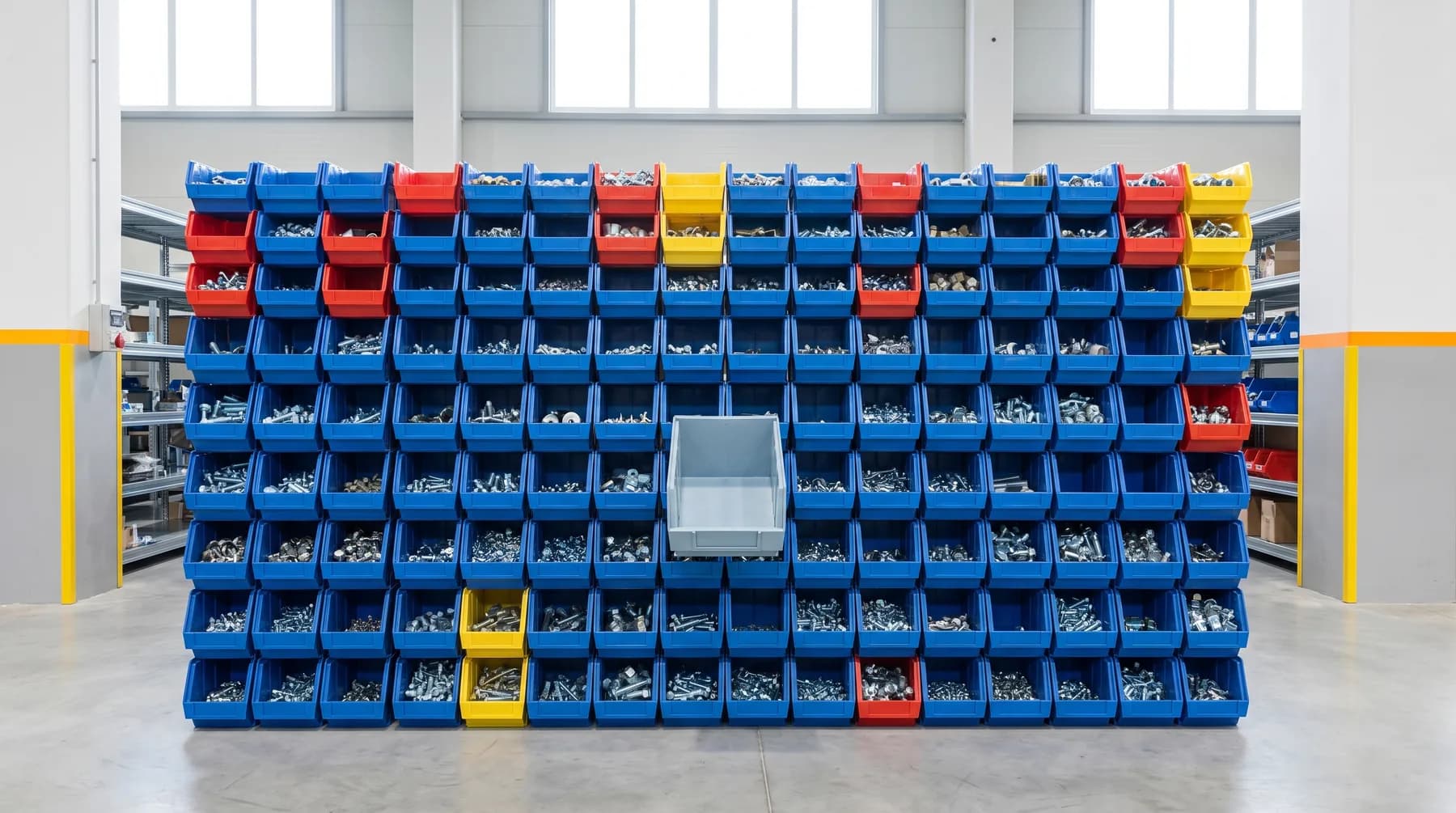
The same list, retyped every month
Consumables leave on usage, not on a date. Reorder points, standing orders and stock held to an agreed minimum turn a catalogue into a supply agreement.
Supplier spreadsheets never agree
Mapped column by column whatever order they arrive in, duplicates flagged before writing, unreadable rows reported rather than dropped, and the whole import reversed in one action when it was wrong.
Nobody puts a pallet on a card
Terms, freight and stock confirmed by a person before anything ships, with the basket arriving as a real quote a buyer can put into a budget or a tender.
Rebuilt here with invented lines so no manufacturer's name appears on our site. Add a few and watch the quote. The part most carts get wrong is the tax: freight is taxable in Canada, so it applies to goods plus freight rather than to the goods alone.
Catalogue
Cut-resistant glove, ANSI A4
18 gauge knit, nitrile foam palm, sizes 7 to 11
In stock
$8.45
per pair
Full-body harness, construction
Five point, back and side D-rings, universal fit
In stock
$214.00
each
Four gas detector, diffusion
LEL, O2, CO, H2S, two year sensor life
Low stock
$968.00
each
Flap disc, zirconia 60 grit
115 mm, 22 mm arbor, trimmable backing
In stock
$118.50
per pack of 10
Wedge anchor, carbon steel
10 mm by 75 mm, zinc plated, cracked concrete rated
In stock
$167.00
per pack of 50
Hand chain hoist, 1 tonne
3 m lift, load brake, forged hooks with latches
On backorder
$789.00
each
Your quote
Sends as a quote request. Stock, freight and terms get confirmed by a person before anything ships.
No payment is taken and no card is asked for, here or in the storefront itself.
Working prototype, demoable. Rebuilt here with invented lines. The storefront it is taken from is real software you can open, with a full catalogue, search, and this same arithmetic. It is a demonstration build, not a live shop.
A storefront assistant that invents a restock date costs you the customer twice: once when the date passes, and again when they stop believing the rest of the page. Ours is given the catalogue to answer from, and refusing is a feature of it.
What have you got for cut protection at A4?
An 18 gauge knit with a nitrile foam palm, ANSI A4, sizes 7 to 11, eight forty-five a pair and in stock. It is the only A4 line in the catalogue right now.
When is the one tonne chain hoist back in stock?
I do not have a restock date for it. None is published, so anything I told you would be a guess. The line shows as on backorder, and a person can give you a real date.
It will not invent a date nobody published
Is that harness certified to the Canadian standard?
I cannot confirm a certification from what I have. The listing gives the configuration and the fit range, not its approvals. Ask for the certificate rather than taking my word for it.
It will not assert a certification it cannot see
Working prototype, demoed live. The exchanges above are written out rather than generated here, so this box does not take typing. The assistant itself is real, runs on the storefront you can open, and is given the catalogue to answer from. The two refusals are the behaviour we care most about: a storefront assistant that invents a restock date costs a customer more than one that says it does not know.
This is the reason to buy the storefront and the CRM from the same people. A quote request, a stock enquiry, an account that browses every week and never orders: all of it is sales intelligence, and in most distributors none of it ever reaches a rep.
A distributor who sells online without this loses the thing that made them worth buying from. The website takes the easy orders and the sales team never finds out, so reps end up competing with their own storefront instead of being armed by it.

It arrives against the right account with the basket intact, so a rep opens a priced conversation instead of asking what the customer wanted.
That is demand, on a named line, from a named account. It becomes a task on the rep who owns them and a number the buyer can act on.
The gap between what they look at and what they buy is the most useful thing a rep can know before a call, and today nobody tells them.
What an account reorders, how often, and what they stopped buying. The same intelligence layer that reads the service book reads the order book.
The CRM half of this is a product in its own right, built for the same industry and the same book of customers.
See the CRM for industrial and MRO distributorsA storefront produces the most honest record of demand a distributor will ever have: what was searched for and not found, what sat in a basket and never converted, which account looks every week and buys once a quarter. In most businesses that is web analytics, which is to say nobody reads it. Building the storefront and the CRM as one system is what turns it into something a rep can act on, and structuring it for intelligence at the data model is what makes it worth acting on in two years rather than two weeks.
This describes how the system is built rather than a feature you switch on. Where a specific capability exists, it is named and labelled elsewhere on this page.
Selling safety equipment online carries a duty an ordinary shop never has to think about. When a listing makes a claim nobody has checked, taking it down from the category page is not enough, because it is still in the search index, still on its own URL, and still inside whatever the assistant knows. Almost nobody building storefronts has had to solve that. We have.
Grade, filtration and moisture figures were written into the listing without a certificate behind any of them. Nobody had signed off the numbers, so nobody could stand behind them if a buyer relied on one.
The record still exists. It is quarantined rather than deleted, with the reason and the review it needs attached, so the hold can be lifted deliberately by someone who checked, and never by accident.
One gate, four surfaces
The hold is applied once, where products are read. Everything downstream inherits it, which is the difference between a policy and a guarantee.
Category listings
Never rendered, so nobody can add it to a basket.
Catalogue search
Not indexed, so it cannot be found by name or by code.
Its own product page
Not generated at all, so there is no link left to share.
The assistant's knowledge
Absent from the catalogue the model is given, so it cannot describe or recommend a product nobody is allowed to sell.
Enforced, not remembered. A build-time check and a dedicated test fail if a held product reaches a public surface, so it cannot be published by editing one file and hoping the reviewer notices.
That is on the build plan rather than in the storefront today, and it is one of the first things we would put in for a distributor whose customers are large enough to buy through Ariba, Coupa or SAP. It matters more than most features on this page, because without it you are not a supplier a buyer can raise a requisition against, whatever your pricing looks like. We would rather tell you where it sits than let you find out during a procurement review.
Yes, and most distributors run both: published list for anyone, and the negotiated price behind a sign in. Published pricing with a live stock state runs in the storefront you can open from this page. The per customer pricing layer, where a buyer signs in and sees the discount they agreed, exists as a working prototype we have demoed rather than as a live deployment, so a visitor clicking through from here will not find a login yet.
The storefront produces a quote request instead, with stock, freight and terms confirmed by a person before anything ships. That is a deliberate fit to how this trade buys rather than a limitation. Nobody puts a pallet of abrasives on a credit card, and a card form at the end of a B2B basket mostly succeeds in ending the order. If your business genuinely needs card payment, we would build it.
That is the part we have done most of. The import pipeline runs in production today for a dealer in another industry: supplier spreadsheets mapped column by column whatever order they arrive in, duplicates flagged before anything is written, unreadable rows reported rather than silently dropped, and a whole import reversed in one action when it turns out to be wrong. The storefront you can open is deliberately a small catalogue because it is a demonstration.
Only if it keeps what it learns to itself, which is the usual failure. A quote request, a stock enquiry on a line you are out of, an account that browses every week and never orders: those are all sales intelligence, and in most distributors nobody in sales ever hears about them. Feeding them into the CRM is the point of building them together, and it is why the storefront and the CRM are one system rather than separate purchases.
Reorder points, standing orders and managed stock are on the roadmap. We have designed that layer in depth against how consumables leave a shelf, and the catalogue and ordering path underneath it are real today, which is most of the distance.
It is given the actual catalogue to answer from, and it is instructed not to invent a product, not to claim a certification it cannot see, and not to invent a restock date, because none is published. When it does not know, it says so. The same content hold that keeps a product off the shop also removes it from what the assistant is given, so it cannot describe or recommend something nobody is allowed to sell.
A storefront you can click, shaped around your catalogue, in weeks rather than quarters. Whether that turns into a build is a separate decision you make afterwards.
Click through the storefront first. Then the conversation can be about your catalogue and your customers rather than about whether any of this is real.